To fix rounded shoulders, focus on stretching tight chest and neck muscles while strengthening your upper back and shoulder stabilizers. Adjust your workspace ergonomics, take regular breaks, and practice posture exercises like scapular squeezes and wall slides. Avoid slouching or holding phones low. Consistency is key, and if issues persist, seeking professional help can make a big difference. Keep exploring to discover more effective tips for straightening your posture.
What Are Rounded Shoulders and Why Do They Develop?
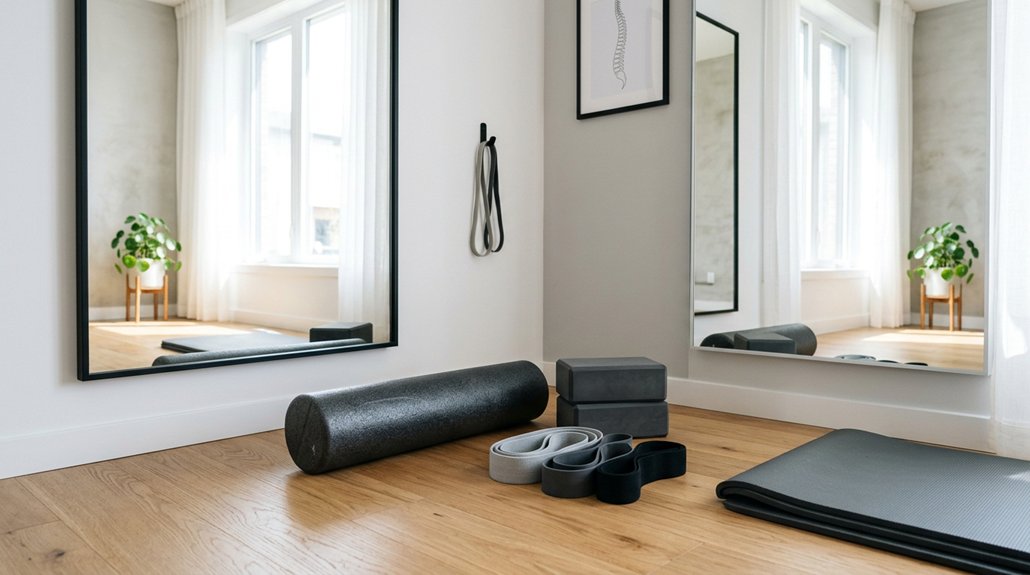
Have you ever wondered what causes rounded shoulders? They happen when your shoulder blades move forward on your rib cage instead of lying flat against your spine. This shift results from muscle imbalances—specifically, tight chest muscles like pectoralis major and minor pull your shoulders forward, while weak upper back muscles such as the rhomboids, trapezius, and serratus anterior fail to keep them in place. Additionally, improper adjustability range and control features in ergonomic equipment can contribute to maintaining poor posture. Over time, poor habits like prolonged desk work, excessive smartphone use, and bad ergonomics reinforce these imbalances. As a result, your shoulders drift into a hunched position, often accompanied by a forward head posture and increased thoracic spine flexion. Recognizing these factors helps you understand how rounded shoulders develop and why addressing muscle imbalances is essential.
How to Recognize Early Signs of Posture Imbalance
Recognizing early signs of posture imbalance can help you catch rounded shoulders before they become more pronounced. Look for palms naturally facing behind when relaxed, which indicates your shoulder blades are forward. You might notice a visible hump or rounding in your upper spine (thoracic region), signaling shoulder misalignment. Tightness or stiffness in your chest and front shoulder muscles also point to muscular imbalance. Habitual slouching, head-forward posture during screen time, or prolonged poor alignment further contribute. To visualize, see the table below:
| Sign | State to Watch For | Cause |
|---|---|---|
| Palms facing behind | Shoulder blades pushed forward | Muscle tension, poor habits |
| Forward hump in upper spine | Thoracic rounding | Posture habit, muscular imbalance |
| Chest tightness | Discomfort in chest/front shoulders | Tight muscles affecting posture |
| Shallow breathing | Reduced lung expansion | Lung compression from rounded shoulders |
Additionally, posture awareness tools or exercises can help prevent progression into more severe misalignment.
Common Causes of Rounded Shoulders: Muscle Imbalances and Ergonomics
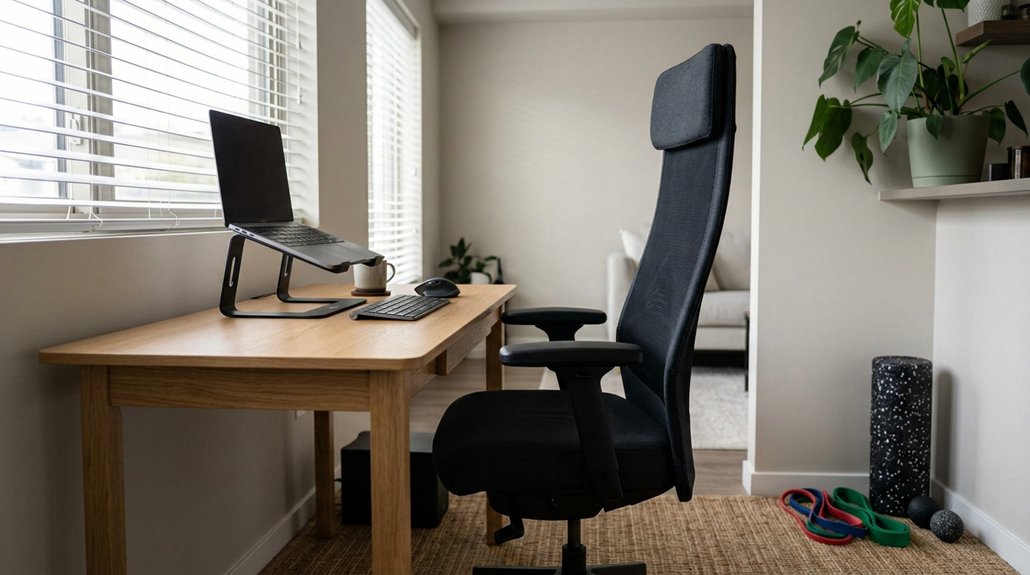
Muscle imbalances are the primary cause of rounded shoulders, occurring when tight pectoral muscles pull the shoulders forward while weak upper back muscles fail to pull them back into proper alignment. This imbalance creates a persistent forward slouch, contributing to poor posture. Incorporating ergonomic office chairs with adjustable lumbar support can help maintain better spinal alignment and mitigate these imbalances. Ergonomics also play a significant role; prolonged sitting, poor desk setup, and technology use encourage forward shoulder positioning. Habitually looking down at phones or tablets increases thoracic spine bending, exacerbating the rounded shoulder appearance. Inadequate support from poorly designed chairs and car seats reinforces inefficient muscle patterns, making it harder to maintain proper posture. Together, muscle imbalances and poor ergonomics create a cycle that promotes and sustains rounded shoulders, highlighting the importance of addressing both factors to improve alignment and prevent future discomfort.
Stretching Tight Chest and Neck Muscles to Improve Posture
Stretching tight chest and neck muscles plays a vital role in correcting rounded shoulders caused by muscle imbalances and poor ergonomics.
When you regularly perform stretches like the Chest Doorway Stretch for 15-30 seconds, three sets, two to three times daily, you counteract the forward pull on the scapula. The Lateral Neck Flexion Stretch targets tight trapezius and scalene muscles, relieving neck and shoulder tension while supporting better posture—hold each side for 15-30 seconds, 1-2 sets.
The Reverse Shoulder Stretch opens the chest, stretches shoulders and biceps by clasping hands behind your back, holding for 20-30 seconds in 2 sets. Consistent stretching aids in restoring balance between tight anterior muscles and weak upper back muscles, improving overall posture—and incorporating adjustable ergonomic headrests can further enhance neck alignment and reduce strain during long sitting sessions.
Strengthening Your Upper Back and Shoulder Stabilizers
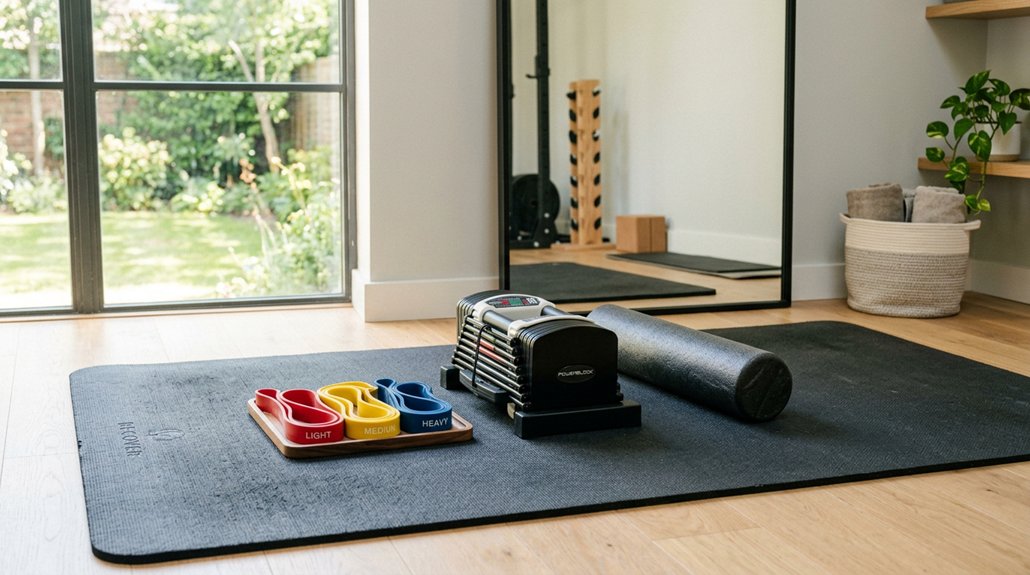
To correct rounded shoulders, it’s essential to strengthen the muscles that stabilize and position your shoulder blades. Focus on exercises that target the scapular retractors and shoulder stabilizers to improve posture and reduce forward rounding.
Strengthen shoulder stabilizers to improve posture and prevent rounded shoulders.
Incorporate prone I, T, Y raises to activate and strengthen these muscles. Use band pull-aparts to engage rhomboids, trapezius, and posterior deltoids, counteracting tight chest muscles.
Scapular wall slides help improve scapula mobility and alignment, encouraging proper positioning. Consistent work on these stabilizers maintains the scapula flush with your rib cage, preventing shoulders from rounding forward. Try:
- Prone I T Y raises
- Band pull-aparts
- Scapular wall slides
- Exercises targeting serratus anterior, rhomboids, trapezius
Additionally, selecting ergonomic pillows that support proper spinal alignment can reinforce these postural corrections during daily activities. Highlighting the importance of high-density foam support ensures your back maintains proper form while sitting, aiding in the correction process.
Simple Exercises to Correct Rounded Shoulders
To correct rounded shoulders, you need to focus on strengthening your shoulder blades and stretching your chest muscles.
Incorporate simple exercises like band pull-aparts and scapular wall slides to boost stability and mobility. These targeted moves help balance your posture and alleviate tightness.
Using supportive ergonomic arm supports can also reduce strain on your shoulders during extended periods of desk work.
Strengthening Shoulder Blades
Strengthening the muscles around your shoulder blades is a crucial step in correcting rounded shoulders. You want to target muscles like the rhomboids, trapezius, and serratus anterior, which support scapular stability.
Incorporate scapular squeezes by pinching your shoulder blades together without shrugging, helping to reposition the scapulae flush against your rib cage. Using a resistance band during pull-aparts focuses on strengthening the upper back and rear shoulder muscles, essential for good posture.
Additionally, prone I, T, Y exercises engage key postural muscles, improving scapular mobility. Consistently performing scapular wall slides enhances scapula alignment and muscular endurance. Incorporating ergonomic seating options can further promote proper shoulder posture during daily activities.
Stretching Chest Muscles
Stretching your chest muscles is a vital step in correcting rounded shoulders, as tight pectoralis muscles often pull the shoulders forward and contribute to poor posture. Regularly targeting the chest with stretching exercises like the Chest Doorway Stretch and Reverse Shoulder Stretch helps loosen tight muscles, reduce muscular pull, and improve shoulder alignment. Consistent practice over several weeks helps balance the upper back and chest muscles, leading to better posture. These stretches also enhance the flexibility of the pectoralis major and minor, easing tightness that causes rounded shoulders. Adding lateral neck flexion stretches further supports shoulder and neck posture. Incorporating high-density support technology into your routine can also assist in maintaining proper spinal alignment during recovery. Add these exercises into your daily routine for effective long-term posture correction.
How to Set Up Your Home Office for Better Posture

To improve your posture at home, start by positioning your desk and workspace so your monitor is at eye level, preventing you from jutting your head forward.
Choose an ergonomic chair that supports your lower back and keeps your shoulders relaxed with feet flat on the floor.
Keep your keyboard and mouse close, with elbows at about 90 degrees, to avoid shoulder rounding and maintain proper alignment.
Using an ergonomic keyboard with adjustable tilt can further help align your wrists and forearms, reducing strain during long typing sessions.
Ergonomic Desk Placement
Setting up your home office with proper ergonomic placement is essential to prevent rounded shoulders and promote good posture. Keep your monitor at eye level, about 20-30 inches away, to avoid forward head posture and maintain proper alignment.
Arrange your desk so frequently used items are within easy reach, reducing the need to lean or hunch. Make certain your chair supports your spine’s natural curve, with feet flat and knees at 90 degrees for neutral pelvic alignment.
Keep your keyboard and mouse close enough so your elbows stay bent at 90 degrees, keeping shoulders relaxed.
Incorporate these tips:
- Place your monitor at eye level
- Keep frequently used items within arm’s reach
- Support your spine with the right chair
- Take regular breaks for scapular retractions
Implementing adjustable monitor stands or mounts can help customize your setup for optimal ergonomics monitor height adjustment, encouraging posture throughout the day and minimizing shoulder strain.
Monitor At Eye Level
Positioning your monitor at eye level is key to maintaining good posture and preventing rounded shoulders. When the screen’s top is at or just below eye level, your neck and upper back stay aligned, reducing strain on your shoulders and improving shoulder posture.
Use a monitor stand or adjustable arm to easily customize the screen height, making sure your shoulders stay relaxed and your upper body remains upright. Guarantee the monitor is about an arm’s length away to minimize eye strain and support a neutral posture.
Avoid looking down at laptops or tablets by raising them to eye level with stands or external keyboards and mice. Regularly check and adjust your screen height throughout the day to keep your shoulders relaxed and reduce tension in your chest and shoulder muscles.
Daily Habits to Maintain Good Posture Throughout the Day
Maintaining good posture throughout the day requires conscious effort and consistent habits. To keep shoulders back and prevent rounding, set regular reminders to correct your posture. Use these cues to set your shoulders back and down, practicing healthy posture habits.
Be mindful of neck flexion by holding your shoulder blades gently together and keeping your devices at eye level. Adjust your ergonomic setup so your computer screens are aligned with your eyes, and sit with feet flat to support natural spine alignment.
Take breaks every 30–60 minutes during prolonged sitting to stretch, walk, or stand, which reduces muscle stiffness. Consider using supportive posture tools or clothing to gently reinforce proper positioning without discomfort. These habits create a foundation for long-term posture health.
Sleep Positions That Support Posture Improvement

To support your posture while sleeping, focus on positioning yourself correctly and choosing the right pillow. Using a supportive pillow under your neck and small pillows under your upper back can keep your spine aligned and reduce shoulder strain.
Also, select a comfortable mattress that maintains proper support and encourages ideal sleeping posture.
Proper Sleeping Posture Techniques
Choosing the right sleep posture can greatly support your efforts to fix rounded shoulders. Sleeping on your back with a supportive pillow under your neck helps maintain natural spinal alignment and prevents upper back rounding.
Placing a small pillow or rolled towel between your shoulder blades encourages proper scapular positioning, reducing shoulder strain.
Side sleeping with a firm pillow that keeps your head aligned with your spine, along with a pillow between your knees, promotes overall posture and relieves shoulder stress.
Avoid curling into a fetal position or tucking your arms forward, as these habits tighten chest muscles and worsen rounded shoulders.
To optimize your sleep posture:
- Use a supportive pillow to keep your neck aligned
- Maintain a neutral spine during sleep
- Incorporate pillows between shoulder blades and knees
- Choose a mattress that offers proper support
Pillow Support for Alignment
Proper pillow support plays an essential role in aligning your spine and reducing shoulder strain during sleep. To combat rounded shoulders, choose a firm pillow that supports the natural curve of your neck, maintaining proper cervical spine alignment and preventing forward head posture.
If you sleep on your back, place a small pillow or rolled towel between your shoulder blades to encourage scapular retraction and improve shoulder alignment overnight. Side sleepers should select a pillow that fills the gap between the neck and mattress, keeping the spine straight and preventing shoulder rounding.
Avoid sleeping curled tightly or on one side without pillow support, as this can increase chest muscle tightness. Regularly adjusting pillow height and firmness guarantees ergonomic support and helps prevent the progression of rounded shoulders.
Bed and Mattress Choices
Your sleep position and mattress choice greatly impact shoulder alignment and overall posture. Sleeping on the back with a supportive pillow under your neck helps maintain neutral spine alignment, reducing shoulder rounding.
A medium-firm mattress offers the right support, preventing sinking that can worsen rounded shoulders by encouraging proper spinal posture.
Side sleeping with a pillow between your knees and keeping your head aligned with your spine promotes shoulder stability during rest. Avoid curled fetal positions or arms under your head, as these habits tighten chest muscles and worsen rounded shoulders.
Proper bed and mattress choices enable muscle relaxation and support effective posture correction exercises. Focus on:
- Sleeping on the back with support
- Using a supportive pillow for neck
- Choosing a medium-firm mattress
- Side sleeping with proper alignment
The Best Posture Support Tools and Corrective Clothing
To effectively combat rounded shoulders, incorporating posture support tools and corrective clothing into your daily routine can make a noticeable difference. Posture support tools like lumbar pillows, ergonomic chairs, and seat cushions help keep your spine in the correct position and reduce strain that causes poor posture.
Corrective clothing, such as the Forme® Smart Tee, gently cues you to roll your shoulders back and align your scapula without discomfort. These garments provide subtle, ongoing biofeedback, reinforcing good posture habits throughout the day.
Combining such gear with regular stretching and strengthening exercises enhances your correction efforts and helps prevent relapse. With access to special offers like 10% off your first order and ongoing updates, maintaining consistent support becomes easier, setting the foundation for improved long-term posture.
Long-Term Posture Habits for a Healthier Back
To build long-term healthy posture habits, you should set consistent reminders to correct your alignment and take breaks every 30-60 minutes.
Optimizing your workspace with ergonomic tools like eye-level screens and supportive chairs makes proper posture easier to maintain.
Incorporating small movements and external support throughout your day reinforces good habits and keeps your back healthy.
Consistent Posture Reminders
- Reinforce posture awareness
- Prevent habitual slouching
- Support shoulder alignment
- Create lasting muscle memory
Ergonomic Workspace Setup
Maintaining consistent posture awareness is a good start, but setting up your workspace ergonomically reinforces those habits for the long term. Make certain your computer monitor is at eye level to avoid neck flexion and prevent forward head posture, which can worsen rounded shoulders.
Use an ergonomically designed chair that supports your natural back curve, keeping your feet flat and promoting upright back posture. Arrange your desk so frequently used items are within easy reach, reducing the need to hunch or lean forward.
Remember to take breaks every 30 to 60 minutes to stretch and reset your shoulders. Incorporate posture support tools like lumbar pillows or posture-corrective clothing to reinforce proper spinal and shoulder alignment, helping prevent or correct upper crossed postural habits.
Common Posture Mistakes to Avoid
Many common posture mistakes can worsen rounded shoulders if you’re not careful. Avoid prolonged sitting with shoulders forward or a forward head position, which can reinforce muscle imbalances and encourage bad posture. Don’t hold your phone or tablet low, causing sustained neck flexion and shoulder rounding.
Neglecting to strengthen your upper back muscles while overworking or stretching chest muscles alone makes shoulder misalignment worse. Slouching or leaning into chairs without ergonomic support also encourages shoulders to slump forward. Additionally, sleep positions that curl your shoulders without proper support can worsen rounded posture over time.
Be mindful to:
- Keep your shoulders back and chest open
- Avoid slumping during long sits
- Strengthen upper back muscles regularly
- Use ergonomic supports and proper sleeping positions
These habits help prevent shoulders from moving forward and keep muscles balanced.
When to Seek Professional Help for Persistent Posture Issues
If you’ve been practicing posture improvements and strengthening exercises without seeing lasting results, it’s time to seek professional help.
Persistent pain, numbness, or decreased range of motion despite your efforts may signal underlying muscle imbalances or other posture issues that need expert attention. Consult a physical therapist if your posture issues interfere with daily activities or worsen over time, especially if forward head posture or spinal alignment concerns are present.
An all-encompassing clinical evaluation can prevent long-term dysfunction. Seek professional help if ergonomic adjustments and self-managed exercises haven’t improved shoulder positioning after 4–8 weeks.
If you experience ongoing discomfort, breathing difficulties related to posture, or repetitive strain from work or sports, a professional can provide tailored intervention to address these issues effectively.
Top Tips for Consistent Posture Correction at Home
Are you wondering how to keep your posture in check consistently at home? Developing daily habits is key to fixing rounded shoulders.
Start by setting reminders every 30–60 minutes to check and correct your shoulder and head alignment. Incorporate short posture breaks, focusing on squeezing your shoulder blades to strengthen your back muscles or stretching your chest to open up your chest and reduce tightness. Use long foam rollers to release muscle tension and improve flexibility.
Additionally, rely on ergonomic tools like adjustable chairs, monitor stands, and footrests to maintain a neutral spine during prolonged desk work. Keep your mobile device at eye level to prevent forward head posture.
Supporting your posture with purpose-built apparel, such as a Forme® Smart Tee, can reinforce proper shoulder alignment effortlessly.
Next Steps: Staying Standout Posture and Preventing Reversion
To truly maintain the benefits of correcting rounded shoulders, you need to make consistency a priority in your daily routine. Practicing daily posture exercises and stretches helps sustain proper shoulder alignment and prevents reverting to poor posture over time.
Setting reminders and taking breaks during long periods of sitting or device use reinforce awareness and reduce habit-driven slouching. Ergonomic adjustments, like positioning your monitor at eye level and using supportive chairs, support prolonged upright posture and lessen strain.
Wearing posture-corrective clothing or external supports can serve as gentle cues throughout the day. Additionally, maintaining proper sleeping positions and avoiding curled postures contribute to preventing long-term reversion.
Addressing these daily habits guarantees your posture stays upright without falling back into common issues caused by neglect.
Frequently Asked Questions
How Long Does It Typically Take to See改善S From Posture Exercises?
You might start noticing improvements in your posture within a few weeks, especially with consistent exercises. Typically, it takes around 4 to 8 weeks to see significant changes, depending on your dedication and the severity of your rounded shoulders.
Are There Specific Activities That Worsen Rounded Shoulders?
Activities like prolonged screen time, heavy lifting with poor form, and slouching while sitting or sleeping can worsen rounded shoulders. You should avoid these habits, maintain good ergonomics, and incorporate posture exercises to prevent further slouching.
Can I Correct Rounded Shoulders if I Have a Sedentary Job?
Yes, you can correct rounded shoulders even with a sedentary job. Incorporate daily stretches, strength-building exercises, and regular breaks to counteract inactivity, improve posture, and reduce shoulder rounding over time.
Is It Normal to Experience Discomfort When Starting Posture Exercises?
Yes, it’s normal to feel discomfort when starting posture exercises. Your muscles are adjusting, so eased gradual progress helps. Stay consistent, listen to your body, and over time, you’ll notice improvements and reduced discomfort as your posture improves.
How Do I Know if My Posture Correction Efforts Are Effective?
You’ll notice improvements if your shoulders feel less tense, sit more aligned, and you experience reduced discomfort. Track your progress regularly, and if you see better alignment and less pain, your posture correction efforts are effective.