Stuffiness in your home workspace often happens because of poor ventilation, high humidity, and HVAC problems. When windows are sealed or airflow is blocked, stale air and pollutants build up, making the space feel heavy and damp. Mold, dust, and allergens thrive in these conditions, further reducing air quality. When your HVAC system isn’t working properly, it can’t circulate or filter the air effectively. You’ll discover practical ways to freshen your space as you explore further.
How Poor Ventilation Causes Stuffiness in Your Home Office
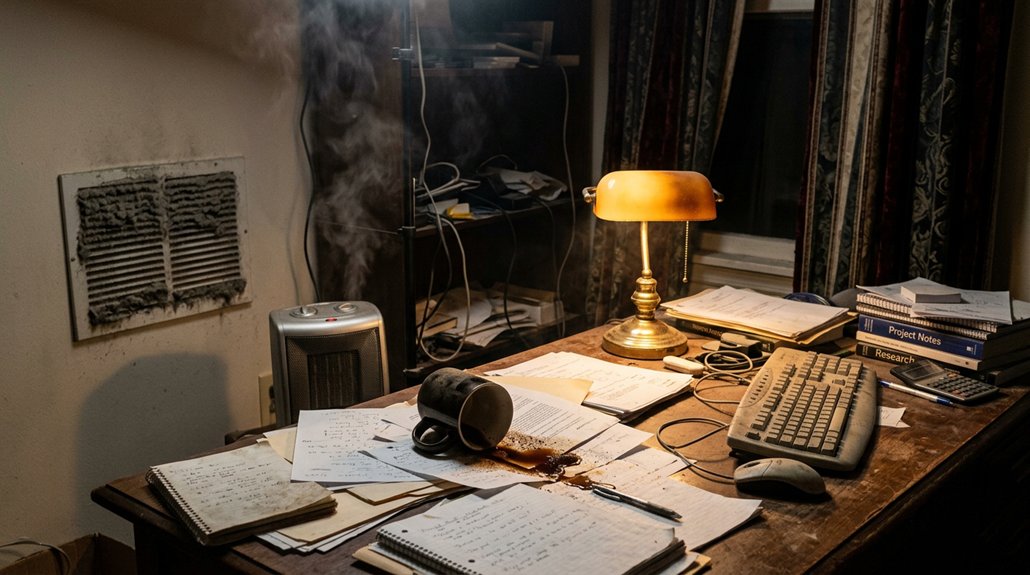
Poor ventilation can quickly turn your home office into a stuffy space. When airflow is limited, carbon dioxide from your breathing builds up, making the air feel stale.
Without proper air circulation, humidity levels rise, creating a damp environment that fosters musty odors and discomfort. Many energy-efficient homes are tightly sealed, which reduces fresh air intake and traps indoor pollutants.
If your HVAC system or vents are blocked or malfunctioning, airflow drops even further, worsening the air quality. This limited exchange of air prevents fresh oxygen from replacing stale indoor air, leading to a buildup of allergens and airborne particles.
As a result, your workspace becomes cramped, oppressive, and unhealthy, emphasizing the importance of proper ventilation to maintain a comfortable, breathable environment. Air exchange rate is a critical factor in ensuring good indoor air quality, especially in enclosed spaces.
Why Too Much Indoor Humidity Makes Your Workspace Feel Oppressive
When humidity levels rise too high inside your workspace, it can quickly turn the environment oppressive and uncomfortable. Excess indoor air humidity makes the air feel heavy and damp, creating a stuffy atmosphere that hampers focus. High humidity encourages mold and mildew growth, which emit musty odors and further worsen indoor air quality. This buildup can lead to allergic reactions and respiratory irritation. Additionally, elevated moisture increases the concentration of indoor pollutants, making the air stale and difficult to breathe. When humidity surpasses 50-60%, you’ll notice window condensation and stagnant air, which deepen the oppressive feeling. Too much indoor humidity keeps sweat from evaporating efficiently, causing overheating and discomfort, making it harder to concentrate on your work. Proper humidity levels maintained with devices such as humidifiers equipped with humidistat sensors can help prevent these issues and promote a healthier, more comfortable workspace.
How Air Circulation Contributes to a Clammy, Stale Environment

When air doesn’t move properly in your workspace, moisture and pollutants can accumulate quickly.
Blocked vents and poor airflow trap warm, damp air, making the space feel heavy and stifling.
Without good circulation, stale air just keeps lingering, worsening the stuffy environment.
Additionally, using quiet fans can help improve airflow without creating disruptive noise.
Poor Air Mixing
Inadequate air circulation in your home workspace can lead to stagnant pockets of warm, humid air that make the environment feel clammy and uncomfortable. Poor air mixing occurs when airflow and ventilation are insufficient, causing stale air to linger in certain areas.
Blocked or leaking air vents prevent proper distribution, while malfunctioning or undersized HVAC systems fail to maintain steady airflow, worsening the problem. Without effective circulation, pollutants, allergens, and moisture become concentrated, intensifying indoor discomfort.
Sealed rooms and lack of cross ventilation hinder fresh outdoor air from diluting indoor pollutants, trapping heat and moisture inside. Additionally, using sound-absorbing acoustic panels improperly can inadvertently impact airflow patterns if they block vents or airflow paths. This stagnant environment not only feels stuffy but can also negatively impact your comfort, focus, and overall health, highlighting the importance of proper air movement in your workspace.
Blocked Ventilation Paths
Blocked ventilation paths can greatly contribute to a clammy, stale environment in your home workspace. When air circulation is restricted by clogged air ducts or vents, stale air builds up, reducing airflow and making the room feel damp and uncomfortable. A well-maintained system with effective airflow can significantly improve indoor conditions. Dust, debris, or fabric covers on vents can partially block airflow, decreasing the effectiveness of your HVAC system and worsening air quality. Poor ventilation prevents fresh air from diluting indoor pollutants, humidity, and carbon dioxide, which further traps heat and moisture. Without proper maintenance, moisture can accumulate, creating musty odors and potential mold growth. In small or windowless rooms, insufficient air circulation traps warm, humid air, intensifying the stuffy atmosphere.
Stagnant Indoor Air
Poor air circulation in your home workspace leads to stagnant indoor air, making the environment feel clammy and stale. This stuffy air results when indoor environments lack proper ventilation, causing carbon dioxide, humidity, and pollutants to build up.
A malfunctioning ventilation system or blocked vents reduce air circulation, leaving insufficient fresh air to refresh the space. Without adequate airflow, moisture accumulates, especially in tightly sealed rooms or those without windows, leading to a heavy, humid feeling and musty odors.
Poor ventilation also concentrates allergens, dust, and indoor pollutants, which can cause respiratory discomfort. In spaces with limited or no mechanical ventilation, such as enclosed home offices, stale, hot, and humid air becomes inevitable, affecting both comfort and indoor air quality. Efficient lighting solutions like natural light desk lamps can also help improve overall air quality by reducing the need for artificial lighting that can generate heat and reduce airflow in small, sealed spaces.
What Happens When Your HVAC System Malfunctions and Causes Stuffy Air
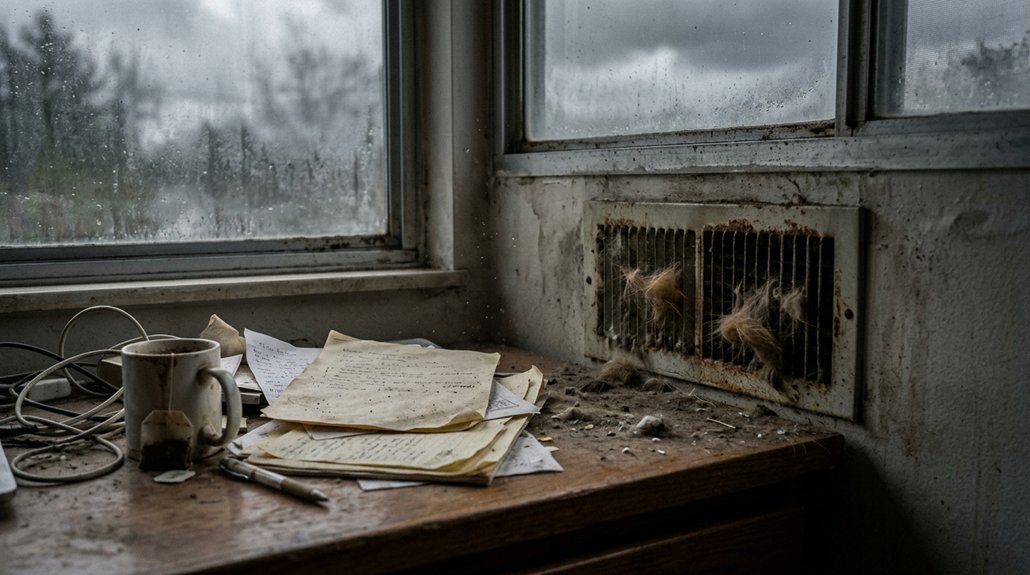
When your HVAC system malfunctions, it can lead to stagnant, uncomfortable air in your home workspace. A faulty HVAC reduces airflow, failing to maintain proper air circulation and fresh air exchange.
Over time, ducts and vents may become blocked or develop leaks, restricting airflow and causing stale, stuffy conditions. Additionally, an aging or inefficient HVAC struggles to control indoor humidity and remove indoor pollutants, allowing carbon dioxide and moisture to accumulate.
This buildup worsens stuffiness and creates an oppressive environment. When your HVAC isn’t working properly, air leaks and poor airflow greatly contribute to indoor air quality problems. Using proper ventilation techniques can help mitigate these issues and improve air quality in the meantime.
Regular maintenance, including duct cleaning and system tune-ups, is key to preventing these issues and ensuring a fresh, comfortable, and healthy workspace.
How Dust and Allergens Single-Handedly Make Your Home Office Uncomfortable
Dust and allergens can turn your home office into an uncomfortable space even when your HVAC system is running smoothly. They greatly impact the air inside your home by introducing irritants like pet dander, dust mites, and pollen. These particles cling to fabrics and surfaces, reducing air quality and triggering allergy symptoms such as sneezing, watery eyes, and nasal congestion. To combat this, consider these measures: 1. Use effective air filters to trap fine particles and improve indoor air quality. 2. Regularly clean and vacuum carpets, curtains, and upholstery to reduce dust mites and pet dander. 3. Keep windows closed during allergy seasons to prevent pollen from entering and accumulating indoors. Incorporating anti-allergen office rugs made from washable, hypoallergenic materials can also help reduce dust accumulation. Addressing these issues can help make your home workspace healthier, more comfortable, and easier to focus in.
Can Sealed Windows and Poor Insulation Trap Unwanted Indoor Air?
Sealed windows and poor insulation can drastically cut down fresh air entering your home, making the air inside feel stale. This situation encourages moisture buildup and traps pollutants, which worsen indoor air quality.
As a result, your space becomes uncomfortable, stuffy, and difficult to ventilate effectively.
Limited Fresh Air Intake
Sealing windows in energy-efficient homes often limits the amount of fresh air entering the space, which can cause indoor air to become stale and stuffy. When your home is sealed tightly, fresh air can’t easily replace indoor pollutants, making air isn’t circulating properly. This stagnation intensifies stuffiness and discomfort.
To improve air quality, consider:
- Enhancing ventilation systems to bring in more fresh air.
- Regularly opening windows, if possible, to promote air exchange.
- Using exhaust fans to remove indoor pollutants and moisture.
Without adequate fresh air intake, indoor pollutants, carbon dioxide, and humidity accumulate, worsening the atmosphere in your home workspace. This inadequate exchange traps contaminants, creating a stale, stuffy environment that affects your comfort and well-being.
Moisture and Humidity Buildup
When windows are kept shut and insulation is poor, trapped warm, moist air can accumulate inside your home workspace. This moisture buildup makes the air feel humid and heavy, leading to a stuffy environment. Without proper air sealing, humid outdoor air can seep in, worsening the condition. Indoor activities like cooking or laundry add to the moisture, compounding the problem. When moisture isn’t allowed to escape, mold and mildew can thrive in hidden spots, behind furniture, or in corners. Poor insulation reduces your HVAC’s ability to control humidity, making the air feel even stuffier. The following table illustrates how these factors combine:
| Cause | Effect |
|---|---|
| Sealed windows | Traps humid, warm air inside |
| Poor insulation | Allows moisture to build up and feel stuffy |
| Inadequate ventilation | Prevents moisture escape |
| Humid outdoor air | Enters through leaks, adding to indoor humidity |
| Activities indoors | Increase moisture, raising humidity levels |
Reduced Ventilation Effectiveness
Tightly sealed windows and poor insulation can greatly reduce the effectiveness of your home workspace’s ventilation. This traps stale air inside, preventing fresh air from replacing it. Without proper air moving, pollutants, humidity, and carbon dioxide accumulate.
To improve airflow:
- Limit air from the outside by keeping windows closed during extreme weather, which hampers natural exchange.
- Use exhaust fans to draw out stale air and moisture, promoting better ventilation.
- Occasionally open windows when outdoor air quality is good to refresh the space.
If windows stay sealed and insulation limits air exchange, indoor air becomes stuffy and heavy. This lack of movement traps unwanted indoor air, worsening air quality, and fostering conditions ideal for mold and allergens to thrive.
How Mold and Mildew Grow and Worsen the Stuffy Atmosphere
Mold and mildew thrive in damp, poorly ventilated areas of your home workspace where moisture from humidity or leaks accumulates. When these conditions persist, mold spores settle and multiply, making the air feel staler and more suffocating.
As mold and mildew spread, they release microbial volatile organic compounds (mVOCs), which contribute to musty odors and further degrade indoor air quality. This buildup of mold not only worsens the stuffiness but also poses health risks, like respiratory irritation, coughing, and headaches.
Without sufficient ventilation, dehumidification, or moisture control, mold and mildew infestations continue to grow, trapping stale air and increasing the indoor atmosphere’s stuffiness. Proper moisture management is essential to prevent these fungal growths and maintain a healthier, fresher workspace environment.
How to Refresh Indoor Air Instantly and Make Your Office Feel Fresher
Revitalizing your indoor air quickly can instantly improve the comfort and productivity of your home workspace. To refresh your space and make homes feel fresher, start with these steps:
- Open multiple windows partially or fully, and use ceiling fans or portable air fans to create cross-ventilation, replacing stale air with fresh outdoor air efficiently.
- Turn on a portable air purifier with HEPA filters to cut down airborne dust, pollen, and pet dander instantly, boosting air clarity.
- Run exhaust fans in kitchens or bathrooms to swiftly remove humidity and odors, preventing stuffiness in adjacent office areas.
Additionally, decluttering around air vents and replacing filters in your heating and cooling system helps maintain optimal airflow. These actions deliver more consistent, fresher indoor air.
Frequently Asked Questions
Why Does One Room in My House Make Me Stuffy?
The room makes you feel stuffy because poor ventilation or blocked vents trap stale air, humidity, and indoor pollutants. Limited airflow, leaks, or inadequate insulation can worsen this, especially if the space is small or lacks fresh air exchange.
What Are the First Signs of a Dry Room?
You notice dry, itchy skin and irritated nasal passages, along with static buildup and creaking furniture. Plants wilt or show brown edges, and you might experience sore throats or coughing, all signs of a dry room with low humidity.
Why Does My Nose Get Stuffy in Certain Rooms?
Your nose gets stuffy in certain rooms because poor ventilation traps dust, allergens, and pollutants. High humidity encourages mold growth, and lingering odors or chemical irritants from cleaning products or furniture can also inflame nasal passages.
Do Air Purifiers Make a Room Less Stuffy?
Yes, air purifiers can make a room feel less stuffy by removing airborne pollutants and allergens. However, for the best results, you should also use fans or open windows to improve airflow and ventilation continuously.