For ideal arm reach efficiency, aim to position your shelves between 90–150 cm, with the middle shelf at eye level (around 140–150 cm). Lower shelves (about 80–110 cm) work well for kids or frequently used items, while higher shelves (up to 180 cm) suit seldom-accessed or bulky items. Keep shelves adjustable so you can customize height based on your needs—and if you continue exploring, you’ll discover more tips for perfect setup.
Why Proper Shelf Height Matters for Comfort and Accessibility

Proper shelf height is essential because it directly affects how easily and comfortably you can access your belongings. When your shelf height aligns with your natural arm reach, it minimizes strain and reduces the effort needed to retrieve items.
Placing shelves at eye level (about 140–150 cm) helps you see and reach items without bending or stretching, increasing comfort. Shelf height that matches your arm length, following the “armpit rule,” guarantees you can easily access everything on the shelf, including the back. Additionally, adjustable or modular shelves allow you to customize the height to better suit your personal ergonomic needs, ensuring optimal comfort and accessibility. Overly high or low shelves force awkward postures, making reaching uncomfortable and possibly causing fatigue. Middle-height shelves, typically at eye level, enhance convenience and accessibility, turning everyday storage into a smoother, more comfortable experience.
How to Measure Your Ideal Shelf Height for Easy Reach
To find the best shelf height, start by measuring your arm’s reach from shoulder to wrist to understand how far you can comfortably reach. Next, identify your eye-level zone, typically around 140–150 cm, for ideal visibility and accessibility. Additionally, consider adjustable monitor stands to ensure that your workspace setup allows for customizable height, which can enhance ergonomic comfort. Finally, test different heights by taping cardboard cutouts at various positions on your wall to see which feels easiest and most ergonomic for everyday use.
Measure Your Standing Reach
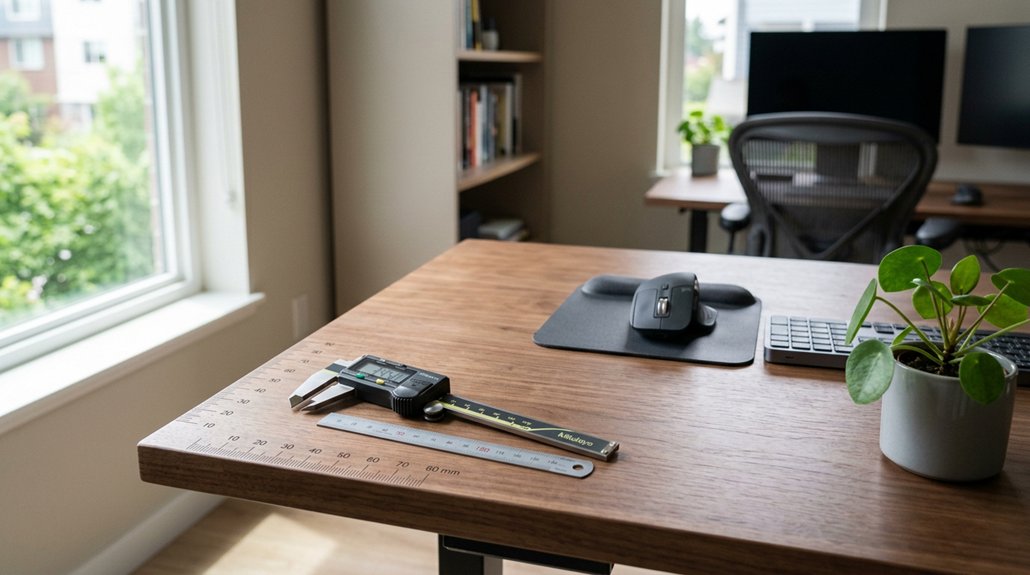
Have you ever wondered how high your shelves should be for easy access? To find the best Shelf Height, start by measuring your standing reach. Stand flat-footed against a wall, fully extend one arm upward, and mark the highest point your fingertips reach.
This measurement shows your maximum reach without stretching or straining. Keep in mind, the ideal shelf height for ease of reach is typically 10–15 cm (4–6 inches) below this maximum, ensuring comfortable access without overextending.
For added stability and ergonomic comfort, consider the use of adjustable shelves, which allow you to modify height as needed for different items or user preferences. Use a tape measure and a flat vertical surface to simulate shelf positions at different heights, helping you test reach comfort before installation. Knowing your standing reach is essential for customizing shelf heights that optimize arm reach efficiency while reducing strain.
Determine Eye-Level Zone
Wondering how to find the perfect shelf height for easy access? Start by identifying your eye-level zone, which centers around 140–150 cm (55–59 inches) from the floor for an average adult.
To choose the right height:
- Stand naturally and measure your eye height to find your specific eye-level zone.
- Aim to place frequently accessed items at this eye level for quick reach.
- Remember a comfortable vertical range is about 30 cm (15° above/below eye level); keep items within this zone.
- Avoid mounting shelves higher than 180 cm, as it reduces arm reach efficiency and might require a ladder.
- Selecting a properly designed monitor riser or shelf can further enhance ergonomic access and support efficient workspace organization.
Measuring your eye-level zone guarantees shelves are conveniently within reach without bending or stretching, making everyday access effortless.
Use Cardboard Templates
Using cardboard templates is an effective way to visualize and test shelf positions before drilling into the wall. Tape these cutouts at different heights to simulate shelf placement, helping you assess reach and comfort from standing or seated.
Measure your arm length and preferred reach range to determine comfortable vertical spacing, guaranteeing shelf centers align near eye, waist, or hand height based on use. Position the center of a single shelf around 140–150 cm (55–59 inches) from the floor, matching average eye level for easy access.
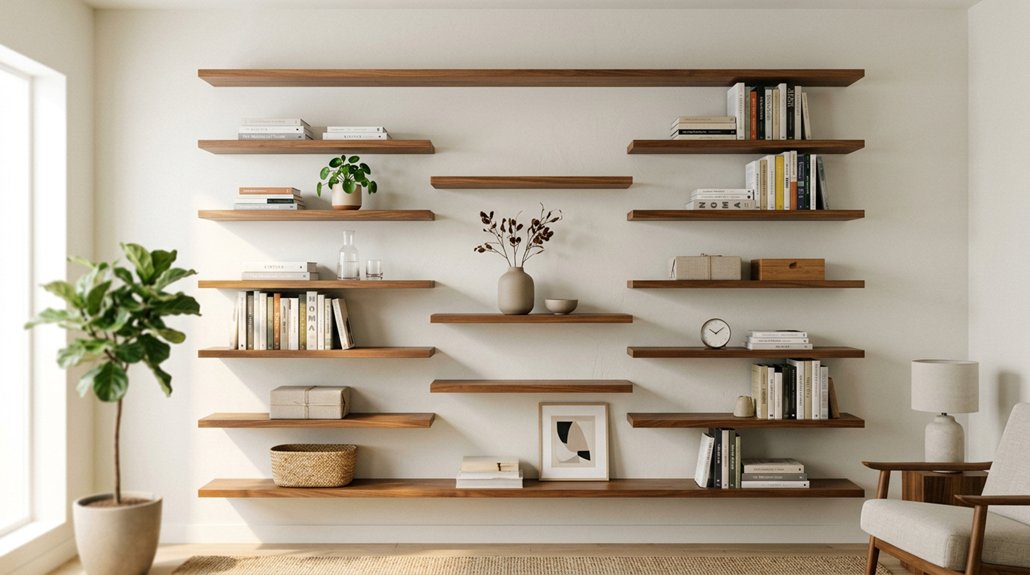
For multiple shelves, place the middle shelf at eye level and space others 25–40 cm apart, adjusting cardboard templates until the reach feels natural and items are easy to grasp. This practical approach guarantees peak arm reach efficiency, especially when considering the materials and durability of your shelving unit to ensure stability and longevity.
What Are the Best Shelf Heights for Different Users?
Your ideal shelf height depends on your personal height and how you plan to use the space. Adjusting shelves for safe, comfortable access can make a big difference, especially for children or elderly users. Consider your arm reach and ergonomic needs to find the most practical height for your situation. Incorporating proper light placement can also improve visibility and ease of access to items on your shelves.
Adjustments for Accessibility
Adjusting shelf heights to match the needs of different users is key to ensuring accessibility and safety. Using adjustable shelves allows you to customize the height based on individual reach and comfort.
Here’s how to do it:
- For children, lower shelves between 80–110 cm (31–43 inches) make items accessible and promote independence.
- Elderly users benefit from shelves between 90–140 cm (35–55 inches), reducing strain and enhancing safety.
- For a common adult reach, position frequently used items at eye level—about 140–150 cm (55–59 inches).
- Avoid placing shelves below 30–40 cm (12–16 inches) from the floor to prevent ergonomic discomfort and cleaning challenges.
- Selecting materials like flexible split sleeves or adjustable brackets can further enhance customization and ease of adjustment for different users’ needs.
Adjustable shelves are essential for creating a flexible, accessible environment suited for all users’ reach.
Personal Height Considerations
| User Height | Shelf Height Recommendation | Best Usage |
|---|---|---|
| 4’9” or shorter | Around 3 feet | Frequent access items |
| Average adult | Eye level (140–150 cm) | Visibility and comfort |
| Taller users | Up to 180–190 cm | Rarely used or storage items |
| Everyone | Adjustable shelves | Personalized comfort for ergonomic versatility |
Tips for Adjusting Shelves for Better Accessibility
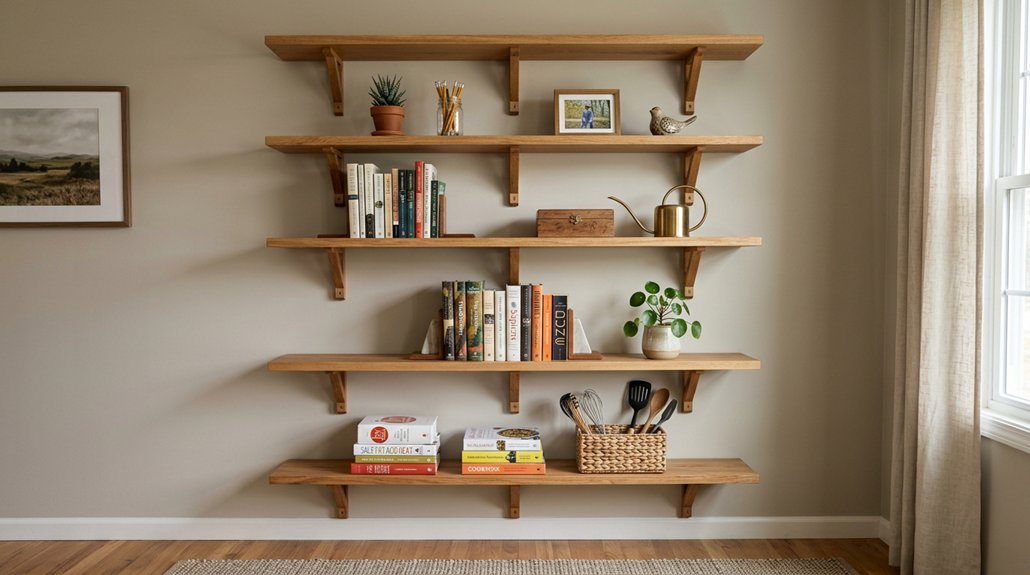
To optimize accessibility and reduce strain, it’s essential to carefully position shelves based on how you use your space. Proper shelf height and vertical space make a big difference.
First, place your most-used items between waist and shoulder height (90–150 cm) for easy arm reach. Next, guarantee shelves are spaced 25–35 cm apart vertically to prevent overcrowding and accommodate different-sized objects. Position the middle shelf at eye level (around 140–150 cm) to maximize visibility.
Additionally, group heavier items on lower shelves to minimize awkward lifting and improve ergonomics. Finally, avoid making shelves deeper than your arm’s reach; match shelf depth to the “armpit rule” to prevent excessive forward reach.
These tips help you customize your shelves for better accessibility and comfort.
How Shelf Placement Affects Your Workspace Movement
Placing shelves within the ideal reach zone—about 30 cm above and below eye level—helps you move efficiently across your workspace by reducing the need for awkward bending or stretching. Proper shelf height and layout guarantee that frequently accessed items are within easy reach, minimizing movements that cause fatigue or slow workflow.
Heavier or often-used items should be on shelves at waist level, making them readily accessible without unnecessary effort. Shelves placed too high (above 180 cm) force you to reach or use ladders, disrupting your flow and risking accidents. Conversely, lower shelves (below 40 cm) require bending, which can slow movement and cause fatigue.
An ergonomic shelf layout with consistent spacing promotes smooth navigation and quick access, boosting overall workspace efficiency.
Designing Shelving to Minimize Bending and Stretching
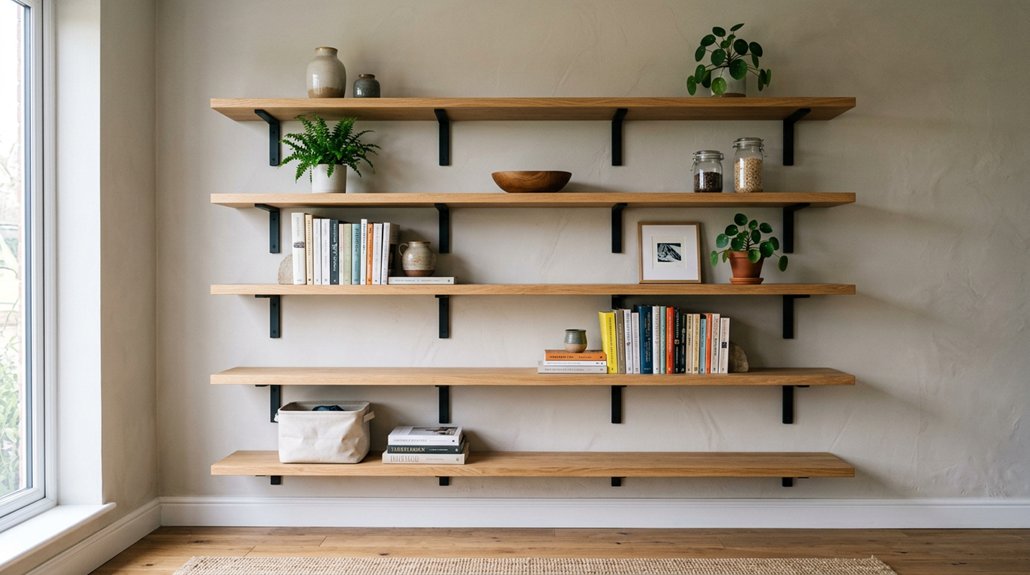
Designing your shelves to minimize bending and stretching involves positioning them at heights that align with your natural arm reach. When shelf height is within reach, you’ll reduce the need to bend deeply or overreach.
Position shelves at arm’s reach to reduce bending and stretching for easier access and better comfort.
To optimize ergonomic efficiency:
- Place heavy or frequently used items on lower shelves (waist height or below) to avoid strain when lifting.
- Keep lighter or rarely used items higher but still within reach, around eye level.
- Guarantee shelf depth allows full arm extension without leaning or stretching excessively.
- Use adjustable shelving to tailor heights to your specific arm reach and postural preferences.
Using Visual Cues and Markings to Keep Consistent Shelf Heights
Using visual cues and markings helps guarantee shelves stay at consistent, ergonomic heights, making adjustments straightforward and reliable. You can apply tape or marker lines on walls or shelving posts at regular intervals, like every 30 cm, to visualize ideal shelf placement.
Recording shelf heights in a dedicated log or diagram allows you to replicate setups across multiple units, maintaining uniformity over time. Pinhole or infinite rail mounting systems with numbered or spaced holes facilitate precise, repeatable shelf positioning.
To quickly identify the best height, use colored clips or labels at common shelf levels. Before installation, test shelf height placement by taping cardboard cutouts at marked levels, then view from typical arm and eye reach angles. These visual cues guarantee consistent, ergonomic shelf heights.
Adapting Shelf Heights for Different Items and Tasks
You should adjust shelf heights based on the size and weight of your items, placing heavy objects lower for safety and ease.
Align frequently used or high-margin items at eye or waist level for quick access, while lighter or less-used items can go higher.
Adjust Shelves by Item Size
Adjusting shelf heights based on item size is essential for maximizing accessibility and efficiency. To do this, group items by height categories (e.g., 0–15 cm, 15–25 cm, etc.) and adjust the shelf depth accordingly.
Consider these tips:
- Place smaller items on shelves spaced 25–30 cm apart for easy visibility.
- Keep taller objects like plants on shelves with higher placement, around 35+ cm apart.
- Position heavier items on lower shelves within comfortable bending reach for safety.
- Guarantee frequently used items are within the 140–150 cm eye-to-waist zone for effortless grabbing.
Test your shelf setup with actual items to confirm arm comfort and proper spacing. Proper adjustment guarantees both easy access and stable storage.
Align Shelves With Use
Aligning shelves with their intended use guarantees items are stored efficiently and accessed comfortably. If you plan to store frequently used items, place them at waist to chest height (90–150 cm), ensuring easy reach without strain.
For the highest shelf, around 170–190 cm, store taller or less often accessed items, or use assistive tools if needed. Lower shelves below 40 cm from the floor should hold bulky, infrequently moved, or discount items that don’t require regular access.
Adjustable shelving spaced 25–35 cm apart helps accommodate different item sizes, maintaining ergonomic reach and reducing awkward stretching. Group similar-height items together to keep a consistent, logical layout, simplifying tasks and optimizing arm reach efficiency across your storage space.
Consider Reach and Safety
Considering reach and safety when adapting shelf heights guarantees that items are accessible without overextending or risking injury. Make certain your shelves are positioned to optimize arm reach efficiency and reduce strain.
For example:
- Heavy or frequently used items should be stored on lower shelves (30–90 cm) to provide enough support and minimize bending efforts.
- Items placed above eye level (170–180 cm) may look appealing but require careful consideration to avoid overreaching and accidents.
- Shelves between waist and shoulder height maximize comfort and safety while enabling easy access.
- Adjustable shelving systems that provide enough space (25–40 cm) allow you to customize heights for different products and user needs.
This approach guarantees safe, efficient access tailored to each task.
How Adjustable Shelving Provides Flexibility for Changing Needs
Flexible shelving systems enable you to easily customize storage layouts to meet changing needs. With adjustable shelving, you can reposition shelves vertically through pinholes or stepless rails, tailoring the space to fit different product heights and your arm reach.
The tool-free clip system makes quick adjustments simple, so you can modify shelf heights for seasonal displays or new items without fully disassembling the setup. This flexibility guarantees that your shelves stay ergonomic, keeping frequently accessed items within waist to shoulder height, reducing strain.
Modular design also lets you reconfigure layouts as your storage needs evolve, helping you maintain safety and organization. Overall, adjustable shelving provides the adaptability that keeps your storage efficient and responsive to changing demands.
Your Final Checklist for Setting Perfect Shelf Heights
To set shelves at the ideal heights, start by positioning the middle shelf around eye level, approximately 140–150 cm from the floor. This guarantees the average adult can comfortably access items within arm reach.
Position the middle shelf at eye level, around 140–150 cm, for easy and comfortable access.
Use this final checklist to perfect your setup:
- Confirm the middle shelf’s height is around 140–150 cm to align with eye level.
- Space other shelves 25–40 cm apart, considering product size and ease of reach.
- Keep the lowest shelves at least 30–40 cm from the floor to prevent awkward bending.
- Place heavier or less frequently used items on lower shelves within safe arm reach.
Test the setup by reaching for items to confirm comfortable arm extension without overreaching or bending.
Frequently Asked Questions
What Is a Good Shelf Height?
You should aim for a shelf height around 140–150 cm from the floor, placing the center at eye level. This height maximizes reach and visibility, making it easy to access items comfortably without stretching or bending awkwardly.
What Is the Bookshelf Rule?
The bookshelf rule guides you to place the middle shelf at eye level, around 140–150 cm, with other shelves evenly spaced. It guarantees easy access and comfort, preventing bending or stretching when reaching for books or items.
How High Do You Put a Shelf in a Closet?
You should place your closet shelves with the center around eye level, about 140–150 cm, ensuring easy access. Keep top shelves below 180–190 cm and lower ones above 30–40 cm for comfortable, ergonomic reach.
How High Should 3 Shelves Be?
You should space three shelves with the middle at eye level, about 55–59 inches from the floor, maintaining 10–12 inch gaps for small items, with the bottom no lower than 12–16 inches and the top below 75 inches.