
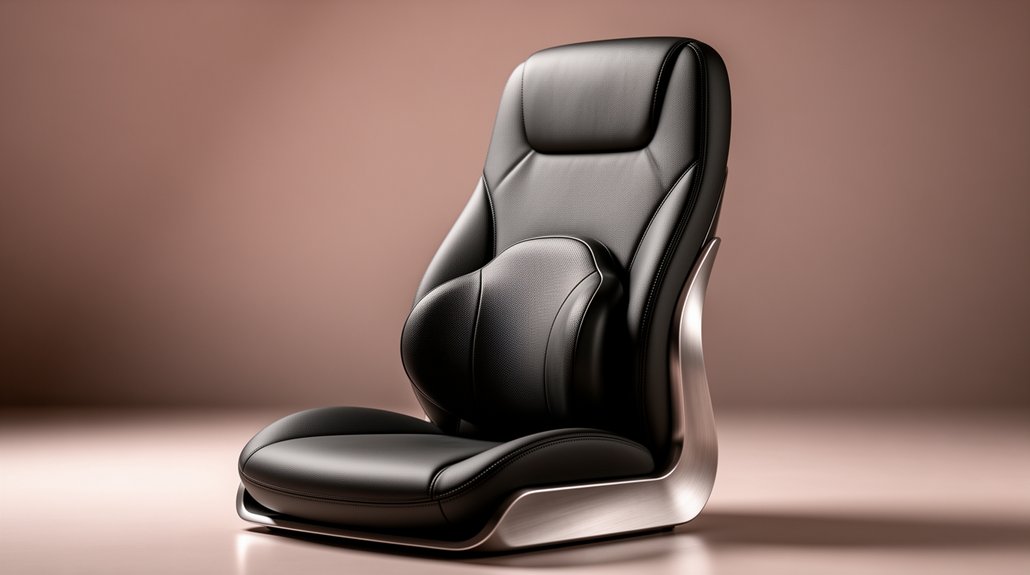
You’ll feel relief when you pick a chair that lets you fine‑tune lumbar height to cradle the L4‑L5 region, provides continuous contact so there are no gaps, and includes a seat‑edge tilt that keeps your pelvis neutral. Look for a contoured, medium‑firm cushion that stabilizes your hips and a seat depth that lets your thighs rest comfortably while your hips stay at least 90°. Adjust the backrest to preserve your natural curve, and you’ll discover more ways to keep sciatica at bay.
How Sciatica Works & Why Lumbar Support Helps
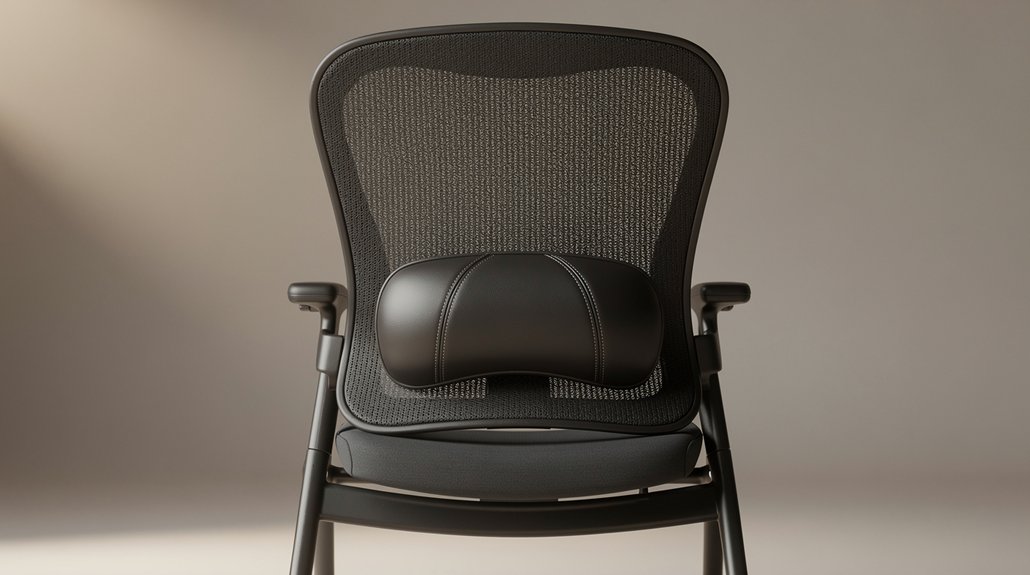
Ever wondered why a simple change in your chair can ease that nagging leg pain? When you slump, your lumbar spine flattens, and nerve pressure spikes, aggravating sciatica. A well‑designed back rest offers lumbar support that restores the natural curve, keeping the pelvis neutral and the seated posture aligned. By maintaining a proper hip angle and appropriate seat depth, the chair prevents forward shoulder rounding and pelvic tilt, which otherwise compress the sciatic nerve roots. Consistent use of this support reduces spinal load—up to 300 % less than a slouched position—and eases nerve irritation. Good posture, aided by adjustable lumbar support, lets the lumbar spine stay curved, lowering the risk of prolonged sciatic discomfort during desk work.
5 Must‑Have Lumbar‑Support Features for Sciatica Relief
How can you tell if your chair truly eases sciatica? You’ll notice immediate lower‑back pain reduction, a spine neutral posture, and nerve compression relief when you sit.
| Feature | Why it matters | How it works |
|---|---|---|
| Adjustable lumbar height | Targets L4‑L5 region | You fine‑tune depth for personal curvature |
| Continuous lumbar contact | Keeps support during movement | Prevents gaps that stress muscles |
| Seat edge tilt | Reduces posterior pelvic tilt | Encourages forward pelvis tilt |
| Contoured cushions | Aligns with pelvis | Enhances pelvic stabilization |
| Seat depth | Balances thigh support | Maintains proper hip angle |
These five must‑have lumbar‑support features combine to keep your spine neutral, lessen nerve compression, and give you lasting sciatica relief.
Top 3 Chairs for Sciatica Relief

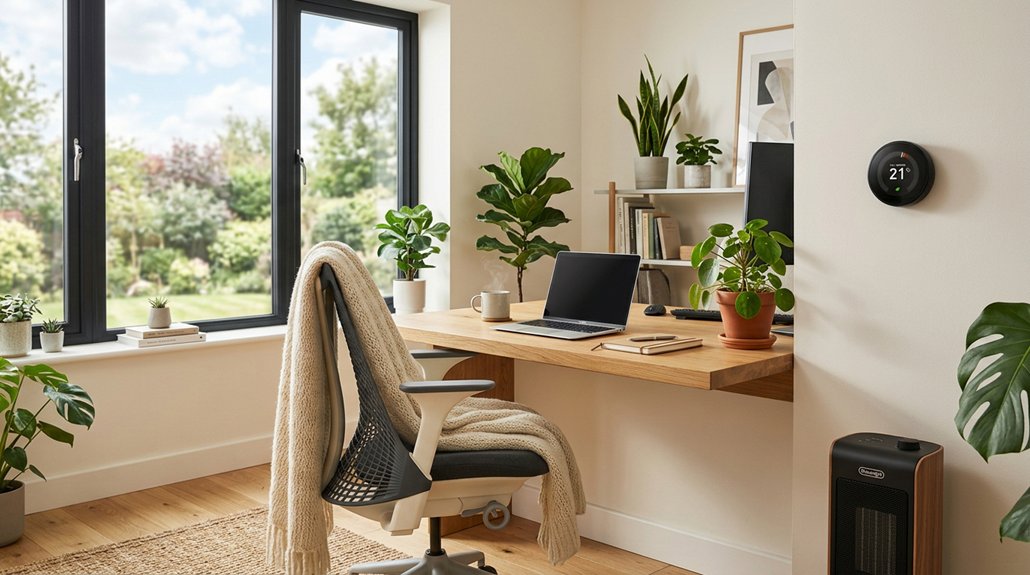
Looking for a chair that actually eases sciatica? The Herman Miller Sayl is an ergonomic chair with adjustable lumbar support that encourages a neutral pelvis and natural lumbar curve, giving solid back support for sciatic relief.
The Branch Verve Chair features an adjustable lumbar system and a hip‑forward posture guide, keeping hips slightly higher than knees and promoting a chair for pain while you work.
X‑Chair X4 offers Dynamic Variable Lumbar that self‑adjusts to movement, maintaining proper lumbar alignment and delivering consistent sciatic relief.
Each model functions as an office chair with lumbar focus, combining comfort, support, and posture‑friendly design to help you stay pain‑free throughout the day.
How to Adjust Your Chair for Daily Sciatica Relief
The Herman Miller Sayl, Branch Verve, and X‑Chair X4 all let you fine‑tune lumbar support, so the next step is learning how to set those adjustments for everyday sciatica relief. Sit with your feet flat and knees at a 90-degree knee angle; this anchors a neutral spine and a proper lumbar curve. Slide the lumbar support forward or back until it cradles the L4–L5 region, promoting pelvic stabilization. Adjust the seat depth so your thighs rest comfortably without cutting off circulation, then tilt the backrest to maintain the lumbar curve while you work. Finally, open the hip angle to at least 90 degrees to ease pressure on the sciatic nerve.
Fine‑tune lumbar support, seat depth, and hip angle to relieve everyday sciatica.
- Align lumbar support with the L4–L5 zone.
- Set seat depth for thigh support.
- Tilt backrest to preserve lumbar curve.
- Keep knees at a 90-degree angle.
- Open hip angle for pelvic stabilization.
Chair‑Based Posture Tips to Prevent Sciatica Flare‑Ups

Ever notice how a simple shift in your seated posture can keep sciatica at bay? Start by setting your adjustable chair so the lumbar support aligns with L4–L5, preserving a neutral spine. Keep your seat depth enough that your back rests against the backrest while your feet stay flat. Aim for an open hip angle of at least 90 degrees; this eases shear on the lower back and reduces sciatic pain. Choose contoured cushions with medium‑firm feel to spread pressure evenly across your thighs and buttocks during long sitting. Perform quick posture checks every 30 minutes—shoulders back, head centered, no slouching. Stand or stretch briefly between sessions to keep nerves relaxed and prevent flare‑ups.
Frequently Asked Questions
What Kind of Chair Is Best for Sciatic Nerve Pain?
You should choose an ergonomic chair with adjustable lumbar support, a contoured seat pan, and dynamic backrest, so you can keep your pelvis neutral and relieve sciatic nerve pressure.
What Is the Best Lumbar Back Support for Sciatica?
You should choose an ergonomic chair with adjustable, contoured lumbar support that aligns with L4‑L5, like the LeanRite Elite or X‑Chair X4, because it reduces nerve pressure and maintains a neutral spine.
Is Lumbar Support Good for Sciatica?
Yes, lumbar support helps sciatica when it maintains your natural curve, reduces nerve pressure, and lets you adjust height and depth to keep hips open, easing pain during prolonged sitting.
What Vitamin Stops Sciatica?
You’ll find that vitamin B12, vitamin B6, and folate together help reduce nerve inflammation and support nerve health, which can lessen sciatica symptoms when you maintain adequate daily intake.
In Summary
By choosing a chair with solid lumbar support, you’ll keep your spine aligned, reduce pressure on the sciatic nerve, and ease daily discomfort. Adjust the height, tilt, and backrest to match your body, and maintain an upright posture throughout the day. With the right chair and a few simple habits, you can prevent flare‑ups and enjoy lasting relief from sciatica.

Leave a Reply